Shipping Included Australia-wide!

Stop the Problem
Before It Starts

Finding maggots in your wheelie bin is one of the least pleasant parts of an Australian summer. Here’s why it happens, and the practical, everyday steps that keep them away.

Stop the Problem Before It Starts

Eco-Friendly
Biodegradable & safe

Australian Made
Proudly Aussie owned

Safe for Homes
Kids, pets & septic safe

Effective
Works for up to 12 months

Maggot Prevention For Wheelie Bins: Stop the Problem Before It Starts

Opening your wheelie bin and finding it crawling with maggots is one of the more stomach-turning parts of an Australian summer. It usually happens fast, a fly lays eggs on something inside the bin, and within a day or two those eggs have turned into a squirming problem you weren’t expecting.

Bin Bombs is designed to help manage unpleasant bin odours as part of a regular bin-care routine. It isn’t marketed as an instant maggot cure, and it shouldn’t be treated as one. The better approach is genuine maggot prevention, which means making your bin less appealing to flies in the first place, well before any eggs are laid.

This guide walks through why wheelie bins get maggots, what genuinely helps prevent them, what to do if you already have an infestation, and where a product like Bin Bombs realistically fits into the picture.

Why Do Wheelie Bins Get Maggots

Why Do Wheelie Bins Get Maggots?

Maggots don’t appear out of nowhere. They start when a fly lands on food scraps or other organic waste inside the bin and lays eggs there. In warm weather, those eggs can hatch into maggots within 24 to 48 hours, which is why the problem can feel like it happens overnight.

Certain types of waste make this far more likely. Meat and seafood scraps break down quickly and are especially attractive to flies, while pet waste and nappies add their own strong smells that draw flies in from a distance. Any moisture in the bin, whether from food, rain, or a leaking bag, makes conditions even more favourable for eggs to survive and hatch.

Time is the other big factor. Waste that sits in a bin for a full week or fortnight between council collections has far longer to attract flies than waste that’s removed quickly. A bin that’s already dirty or damp inside, from a previous spill or a bag that leaked, gives flies an even easier target to begin with.

How to Prevent Maggots in Your Wheelie Bin

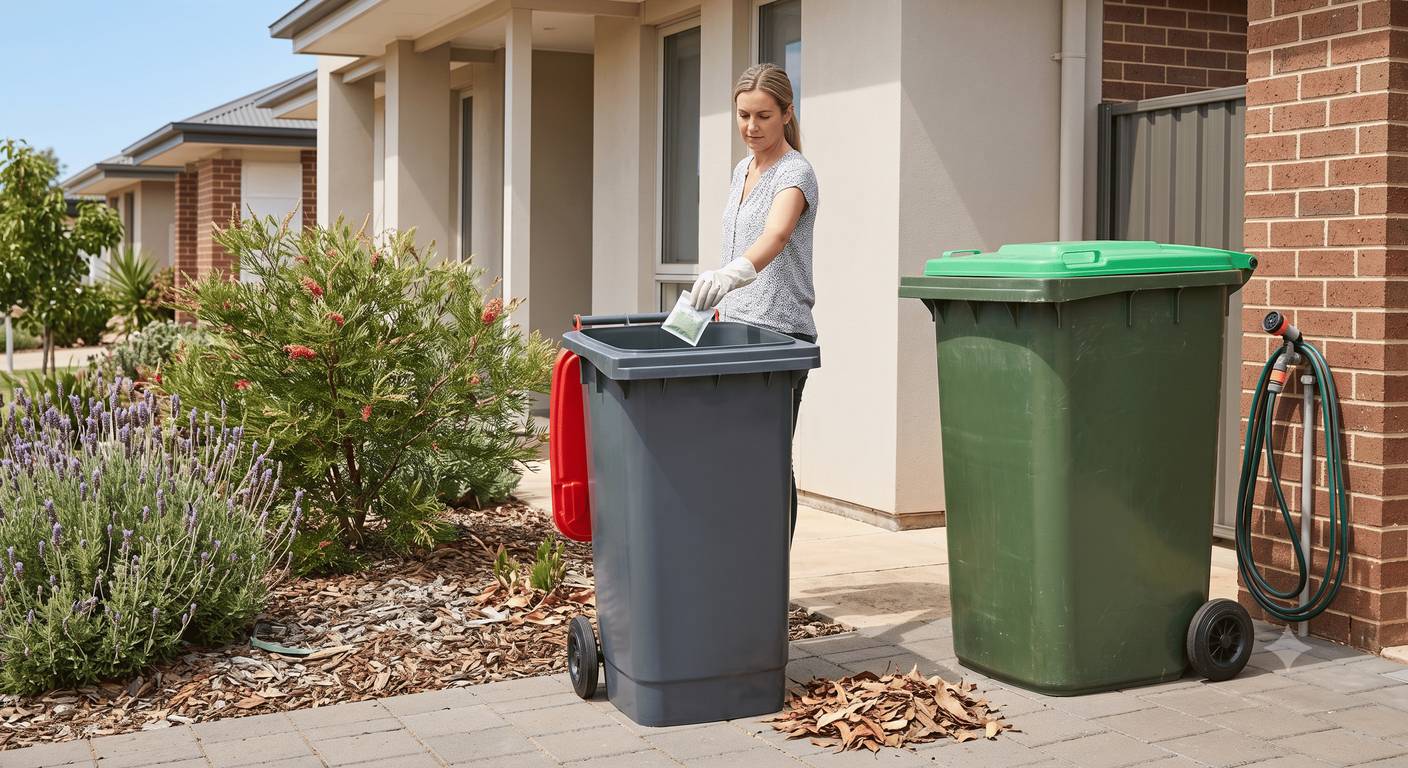
  • Keep the bin lid closed whenever it’s not in use, so flies can’t get in to lay eggs.
  • Keep food waste contained in a bag rather than loose against the sides or base of the bin.
  • Reduce moisture inside the bin, since damp conditions help eggs survive.
  • Avoid leaving exposed food scraps sitting directly against the plastic.
  • Wrap or contain meat, seafood, and other strong-smelling scraps before they go in.
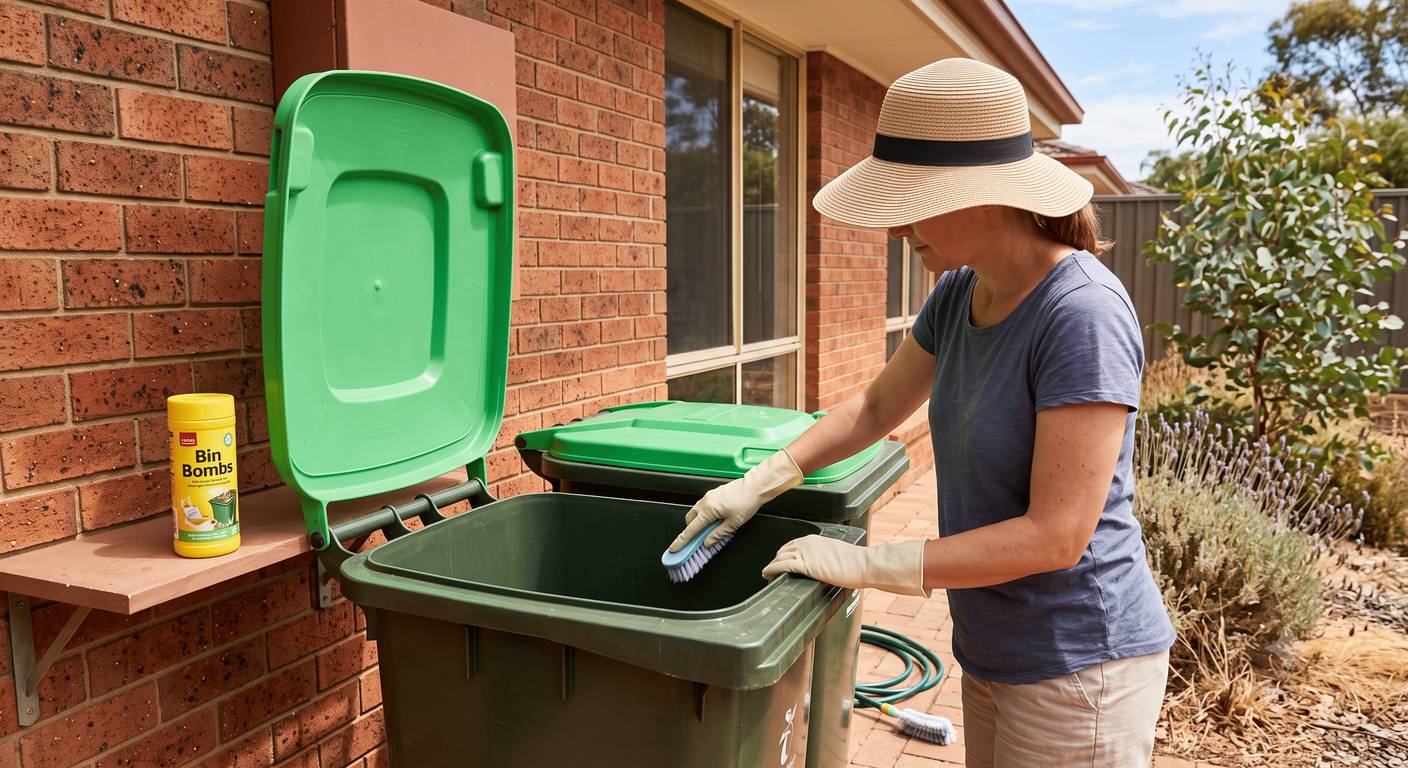
  • Clean the wheelie bin regularly, rather than waiting until there’s an obvious problem.
  • Keep waste as dry as practical, particularly before a run of hot weather.
  • Avoid leaving food waste sitting around the outside of the bin, such as in an open compost caddy nearby.
  • Use an odour-control product such as Bin Bombs as part of a broader bin-care routine, alongside these habits rather than instead of them.

None of these steps guarantee a maggot-free bin on their own, but together they remove most of what attracts flies to begin with, which is the real goal of prevention.

Prevention comes down to making your bin a less attractive place for flies to lay eggs in the first place. None of this is complicated, but it does need to be consistent, especially over summer.


Why Bin Bombs Is Australia's Favourite Wheelie Bin Deodoriser

Can Bin Bombs Help With Smelly Wheelie Bins?

It’s worth being clear about what Bin Bombs is and isn’t. It’s an odour-control product, designed to help neutralise unpleasant smells coming from a bin, rather than a fly or maggot treatment.

Odour control, fly control, and maggot prevention are related but different things. A strong-smelling bin can attract more flies from further away, so managing that smell is a sensible part of an overall routine. But Bin Bombs is not an insecticide, pesticide, or larvicide, and it isn’t marketed as something that kills flies or maggots.

Where it fits in is alongside the habits covered above, as one part of keeping a bin in better condition generally, not as a replacement for good bin hygiene.

Why Use Bin Bombs in Your Wheelie Bin?

If odour is part of your bin’s problem, here’s what Bin Bombs genuinely offers:

  • Australian made.
  • Easy to use, with no mixing or spraying required.
  • Helps neutralise unpleasant bin odours.
  • Suitable for outdoor wheelie bins exposed to summer heat.
  • Suitable for everyday household use.
  • Suitable for use around families and pets.
  • Useful as an ongoing part of a regular bin-care routine.
  • Suitable for both residential and commercial environments.
Keep bin from smelling on holidays

If maggots have already turned up, the priority is dealing with the immediate problem before thinking about prevention again.


What to Do If You Already Have Maggots in Your Bin

  1. Remove the remaining waste from the bin and dispose of it appropriately, wearing gloves if you have them.
  2. Wash or rinse the inside of the bin thoroughly, paying particular attention to the base and any corners where waste tends to collect.
  3. Let the bin dry out fully before putting anything new in it, since damp conditions make it easier for the problem to return.
  4. Keep the lid closed once the bin is back in use, rather than leaving it propped open to air out.
  5. Think about how the waste that caused the problem was stored beforehand, and adjust where needed, such as wrapping scraps more securely or emptying a kitchen caddy more often.
  6. Keep an eye on moisture levels going forward, particularly during hot, humid stretches of weather.

This process deals with an existing problem. It isn’t something Bin Bombs alone is designed to do, and it shouldn’t be relied on as a treatment for an active infestation.

A Simple Summer Wheelie Bin Routine

Before collection day

During the week

After collection

Ongoing

A Bin-Care Routine Worth Sticking To

Prevention is the most reliable way to keep maggots from becoming a regular part of your bin day. Alongside the habits covered in this guide, Bin Bombs can be a useful part of your ongoing bin-care routine, helping manage the unpleasant odours that come with warmer weather. Shop the Bin Bombs range online today and make it part of how you look after your bin, not a one-off fix.

Frequently Asked Questions

Maggots appear after a fly lays eggs on food scraps or other organic waste inside the bin. In warm weather, those eggs can hatch within 24 to 48 hours, which is why the problem often seems to appear overnight, especially over an Australian summer.

Prevention comes down to keeping the lid closed, containing food waste properly, reducing moisture, and cleaning the bin regularly, so flies have less reason to lay eggs there in the first place. An odour-control product such as Bin Bombs can be a useful part of that routine, alongside these habits.

Reducing exposed food waste, keeping the lid closed, and cleaning the bin regularly all make it harder for flies to find a suitable place to lay eggs. Moisture control also matters, since damp waste is more attractive to flies than dry waste.

Remove the remaining waste, wash and rinse the bin thoroughly, and let it dry out fully before using it again. Keeping the lid closed and improving how food waste is stored afterwards helps reduce the chance of it happening again.

Summer heat speeds up the whole process, from flies laying eggs to those eggs hatching, so prevention habits matter even more during warmer months. Keeping the bin dry, the lid closed, and food waste properly contained, alongside regular cleaning, gives flies far less opportunity to start a problem.

Product Enquiry

we are happy to answer your questions