Shipping Included Australia-wide!

Practical Ways to
Keep Them Away

Lifting the lid to a cloud of flies is one of the least pleasant parts of bin day. Here’s why it happens, and the practical, everyday steps that keep flies away.

Fly Control For Wheelie Bins

Eco-Friendly
Biodegradable & safe

Australian Made
Proudly Aussie owned

Safe for Homes
Kids, pets & septic safe

Effective
Works for up to 12 months

Why Are Flies Attracted to Wheelie Bins?

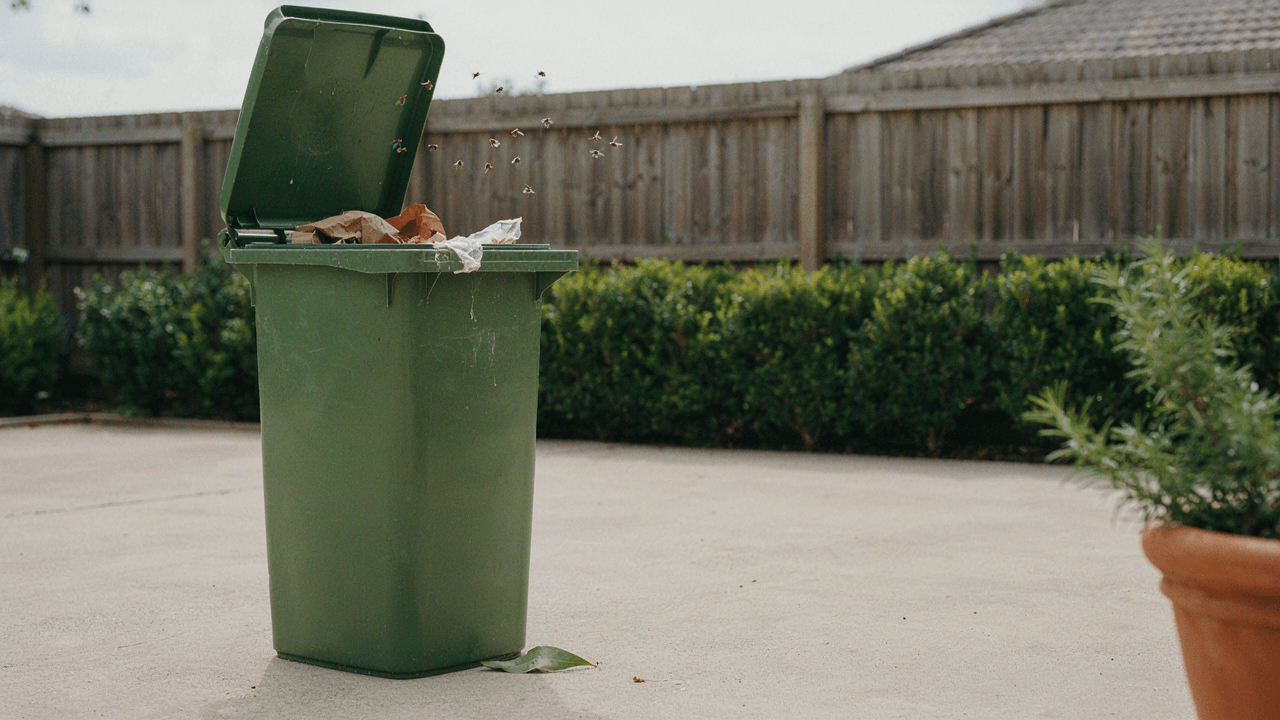
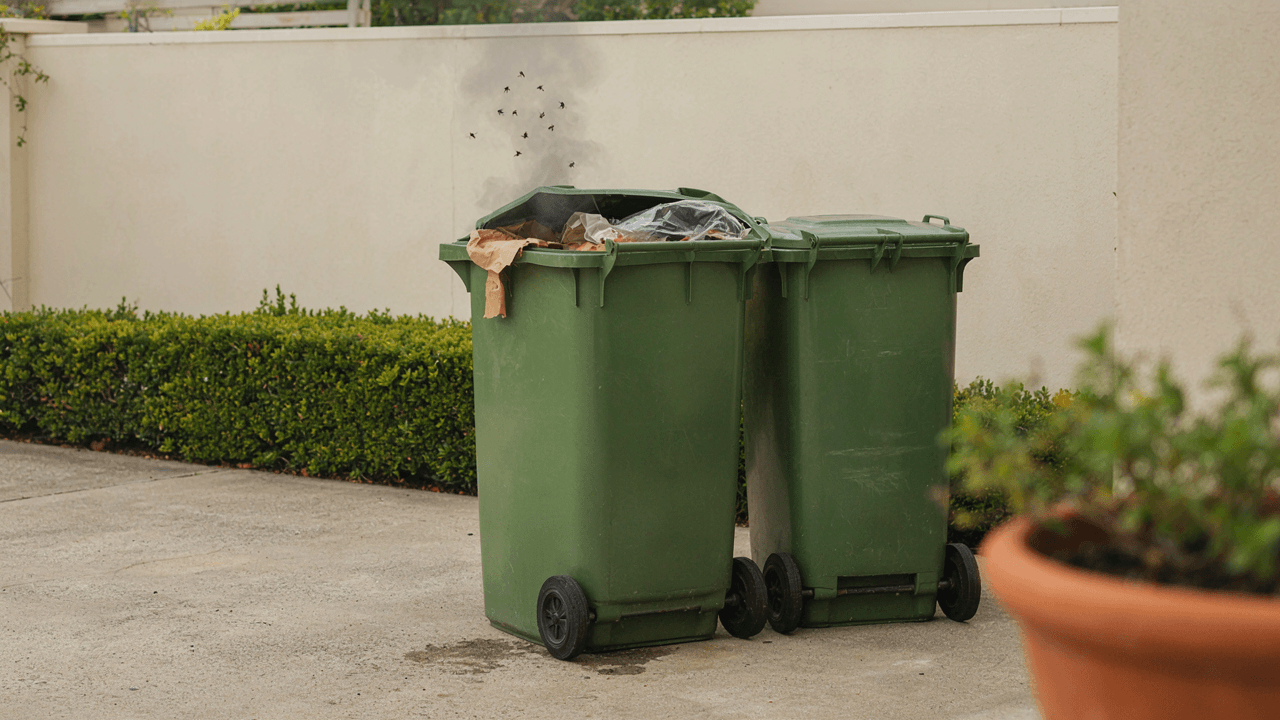
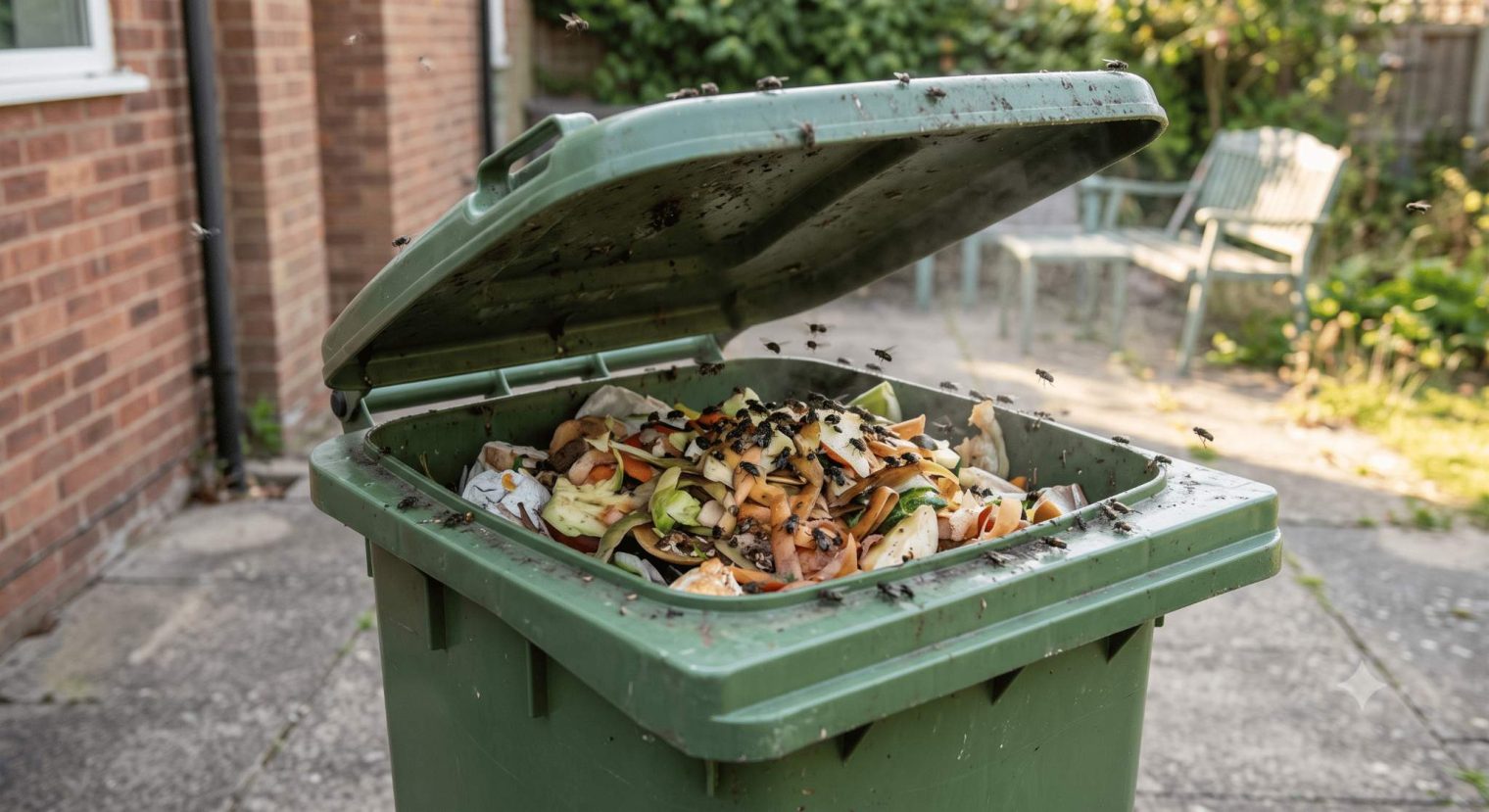
Flies find bins using smell rather than sight, and they’re good at detecting it from a distance. Food scraps are usually the starting point, especially meat, seafood, and other quickly-decomposing organic waste, which release stronger odours the longer they sit. Pet waste adds its own strong smell that flies are drawn to, and any moisture in the bin, from wet packaging, rain, or leaking bags, speeds up the whole decomposition process. Warm weather makes all of this worse, since heat accelerates the bacterial activity that produces the smell in the first place. Time is a factor too. The longer waste sits in a bin between collection days, whether that’s a week or a fortnight, the more time it has to build up odour and attract flies looking for somewhere to land.

How to Reduce Flies Around Your Wheelie Bin

How to Reduce Flies Around Your Wheelie Bin

Most of what reduces fly activity around a bin comes down to basic hygiene and reducing the smell that draws them in.

  • Keep the lid closed whenever the bin isn’t actively being used.
  • Keep food waste contained in a bag rather than loose in the bin.
  • Reduce moisture where possible, since damp waste tends to smell stronger and decompose faster.
  • Clean the bin regularly rather than only when it’s visibly dirty.
  • Keep the area around the bin clean, including the ground underneath it.
  • Avoid leaving exposed food waste sitting out near the bin.
  • Follow your local council’s waste collection rules, since correct sorting can reduce how long certain waste sits around.
  • Where practical, keep bins away from other food sources that might compound the problem.
  • Treat odour management as part of general bin hygiene, rather than a separate afterthought.

Does Bin Smell Attract Flies?

Bin smell and fly activity are closely linked, though it’s worth being careful about how that relationship is described. Flies are drawn to the smell produced by decomposing organic waste, so a bin with a stronger odour is generally more likely to attract fly attention than one that’s been kept cleaner and drier.

This doesn’t mean odour is the only factor, and reducing smell won’t eliminate flies from an area entirely, particularly during summer when fly activity is naturally higher. But keeping bin odour under control is a genuinely useful part of maintaining a cleaner overall bin environment, alongside the hygiene habits covered above. Maggots are a related but separate issue, usually tied to eggs already laid in the bin rather than the smell itself.

Does Bin Smell Attract Flies
How Bin Bombs Fits Into Your Bin-Care Routine

How Bin Bombs Fits Into Your Bin-Care Routine

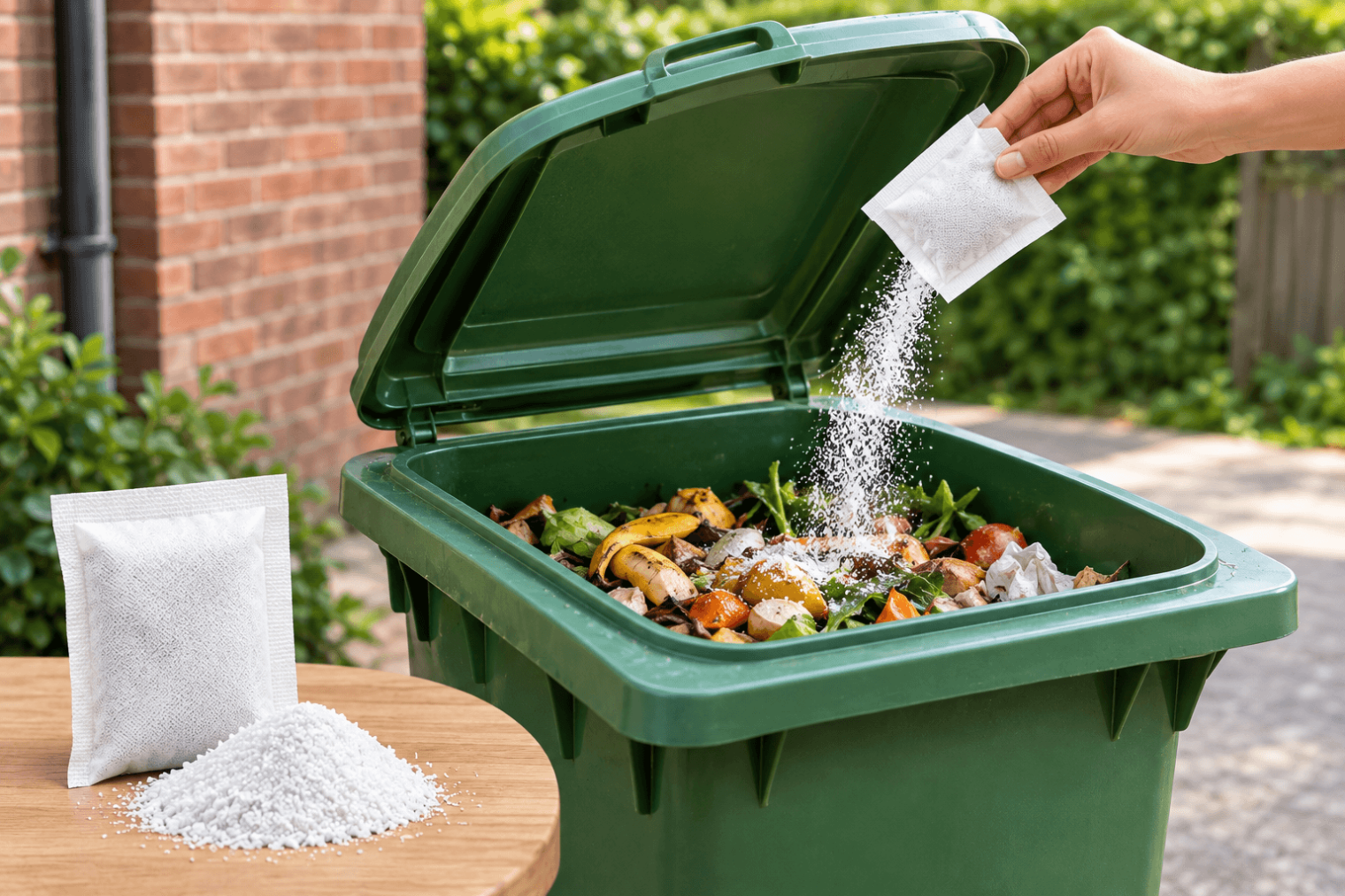
Bin Bombs is a bin odour eliminator, designed to help neutralise unpleasant smells at the source rather than covering them with fragrance. It comes in a powder or sachet form that’s placed inside the bin.

Because odour is one of the things that draws flies in, managing it can be a useful part of an overall bin-care routine, alongside keeping the lid closed, cleaning regularly, and reducing moisture. It’s suitable for household bins as well as commercial settings dealing with higher volumes of waste.

To be clear, Bin Bombs should not be described as an insecticide or fly killer. Its role is odour management, not pest control, and it works best as one part of a broader routine rather than a stand-alone solution.

Where Can You Use Bin Bombs?

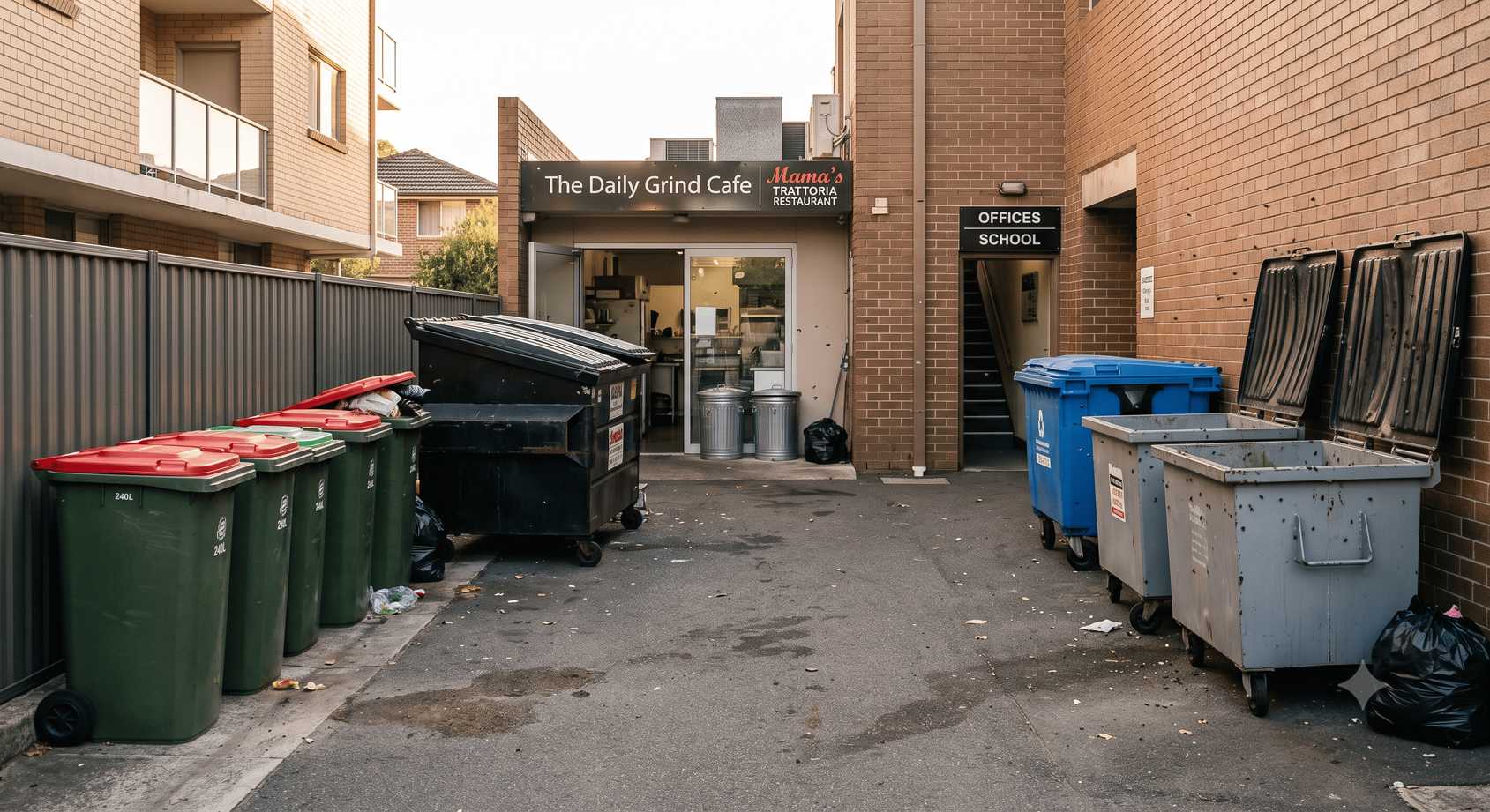
Bin odour, and the fly activity that comes with it, isn’t limited to the bin out the front. Bin Bombs is used in a range of settings, including:

  • Wheelie bins
  • Kitchen bins
  • Commercial bins
  • Apartment bins
  • Strata properties
  • Cafes
  • Restaurants
  • Offices
  • Schools
    In each of these settings, the goal is the same, reducing unpleasant odour as part of keeping the space more manageable, whether that’s a household kitchen or a busy commercial kitchen dealing with far higher volumes of food waste.
Where Can You Use Bin Bombs

A Simple Routine for Keeping Wheelie Bins Cleaner and Less Attractive to Flies

Before putting waste in the bin

While the bin is in use

Before collection

After collection

Make Odour Management Part of Your Fly-Control Routine

Reducing fly activity around your bin comes down to consistent habits, and managing bin odour is a genuinely useful part of that routine. Bin Bombs is designed to help with exactly that, giving you a cleaner-smelling bin as part of your regular bin care. Shop the Bin Bombs range online today and make odour management part of how you keep flies at bay.

Frequently Asked Questions

Flies are mainly drawn in by smell, particularly from food scraps, meat, seafood, and other organic waste breaking down inside the bin. Warm weather and moisture both speed up that process, which is why fly activity tends to increase over summer.

Keeping the lid closed, containing food waste properly, reducing moisture, and cleaning the bin regularly all help reduce what attracts flies in the first place. Managing bin odour as part of that routine, using a product such as Bin Bombs, can also be a useful addition.

Good bin hygiene makes the biggest difference, including keeping bins clean, dry, and closed when not in use. Reducing exposed food waste and keeping the area around the bin tidy also helps limit what draws flies to the area.

Heat speeds up the decomposition of food waste inside the bin, which produces stronger odours and creates more favourable conditions for flies. Combined with typical weekly or fortnightly collection schedules, this gives flies more time and more reason to be drawn to the bin.

Yes, to an extent. Since flies are drawn in largely by smell, managing bin odour can make a bin less attractive to them as part of an overall hygiene routine, though it is not a complete fly control solution on its own.

Product Enquiry

we are happy to answer your questions